Home Mission Research Journal Wearable Device Our Team Contact Apply Now
UCLA Student-Athlete Nonprofit

Crusade Sports

Medicine
Research Education Community

"The mind and body are the foundational pillars trained by athletes to drive their preparation and recovery to achieve optimal performance"

Join Crusade
34
Active Members
6+
Sports
360°
Holistic Dev.
Research Education Community Engineering Recovery Science Performance UCLA Wearable Tech Research Education Community Engineering Recovery Science Performance UCLA Wearable Tech
34
Active Members
6+
UCLA Sports Served
360°
Holistic Development
Potential Unlocked

The Crusade Mission

Crusade Sports Medicine is a nonprofit organization of UCLA student-athletes dedicated to advancing sports medicine research, education, and equitable access to performance technology.

We conduct meta-analyses and clinical surveys to provide insights on emerging trends in sports medicine — while our engineering division builds accessible wearable devices for all athletes.

Mind

Mental resilience & psychological performance

Body

Training science & injury prevention

Recovery

Sleep, HRV & restoration science

Equity

Accessible tools for all athletes

Crusade 360 Diagram
WISDOM LEADERSHIP AWARENESS FAITHMINDBODYNUTRITIONRECOVERYEDUCATION

Crusade Journal

Featured

Zone Training for Endurance Athletes

Exploring HR training zones and their impact on aerobic capacity, endurance, and recovery.

Dec 26, 2024
Read →
Engineering

PCB Wearable Design & Clinical Applications

Engineering study on developing reproducible PCB designs for performance monitoring.

In Progress
Coming Soon
Recovery

HRV as a Biomarker for Recovery Readiness

How heart rate variability correlates with next-day performance in collegiate athletes.

Upcoming 2025
Coming Soon

Meet the Founders

MS
Michael S.
Co-Founder · CTO
AB
Anirvin B.
Co-Founder
AZB
Azaan B.
Dir. Education
ZL
Zee Lake
Dir. Research
SS
Saxton S.
Dir. Education
ES
Eve S.
Dir. Engineering

Wearable Sensing
& Analytics

Our custom PCB-based wearable delivers WHOOP-level metrics at a fraction of the cost — designed by UCLA students, for student-athletes everywhere.

Raw sensor data alone doesn't move the needle. That's why every metric feeds our Correlation Engine — a framework that weighs HRV, zone distribution, training load, skin temperature, and gyroscope data together to build a single, honest picture of where an athlete stands.

The output is a Performance Story: not a dashboard of numbers, but a narrative that tells coaches what to act on and gives athletes the confidence to compete — even when the data is complex.

HRVRecovery ScoreSpO₂HR ZonesSleepStrainCorrelation EnginePerformance Story
Live Demo ↗
Recovery
78/100
Status: Primed
HRV
62ms
↑ +7% baseline
SpO₂
97%
Normal range
Strain
14.2/21
Moderate load

From Sensor to Story

Six sensors collect raw biometric data. The Correlation Engine weighs them together. The Performance Story tells athletes and coaches exactly what to do — in language that builds confidence, not anxiety.

Heart Rate · Zone
● ZONE 4 · LACTATE THRESHOLD · 157–176 BPM
98
163 bpm
196
Z4
Lactate
Threshold
Z1Z2Z3Z4 ◀ NOWZ5
HRV · Recovery
−9% baseline
30
68 ms
110
−9%
vs
baseline
Nervous system absorbing heaviest training week of season
83
MATCH READINESS
vs USC · Saturday
Serve Power · GYRO
↑ Best of Season
600
847 °/s
1050
+12%
season
avg
Racket lag velocity · directly correlated to Zone 4 training time
SpO₂ · Oxygen Sat.
Optimal
90%
98%
100%
98%
aerobic
capacity
Full aerobic ceiling available · no altitude fatigue
Performance Story
Marcus Chen
UCLA Men's Tennis · #2 Singles · Sophomore
Match Saturday
vs USC · 2 DAYS
Three sensors are telling the same story. The accelerometer: heaviest training week of the season. The temperature sensor: shoulder repairing (+2.2°F, expected and appropriate). HRV: down 9% from baseline — the nervous system absorbing the load.

The other half: gyroscope confirms racket lag up 12%, serve velocity up 6.2%, Zone 4 HR time correlates directly to the improvement. The body adapted. The risk is manageable.

The lever: one more good night of sleep and Marcus walks onto court Saturday at 88% readiness instead of 79%.
Coach Priority
8+ hrs sleep tonight. Cap serve reps at 60 Thursday. Shoulder load manageable — protect the form.
AI Readiness Score
Projected for Saturday with optimal sleep
83
/100
The same data. Two different narratives. The Stealth Mode in the full dashboard lets coaches see the clinical picture while athletes see a story that keeps them confident and focused.
See the Full Dashboard ↗
Why We Exist

Our Mission

Advancing sports medicine research, education, and equitable access to performance technology for all student-athletes.

Crusade Sports Medicine

Crusade Sports Medicine is a nonprofit organization formed to conduct and publish meta-analyses and clinical surveys to provide insights on emerging trends, practices, and technologies in sports medicine and performance.

We are a highly driven group of undergraduate student-athletes at the University of California, Los Angeles (UCLA) that are passionate about learning how sports medicine is best practiced and what the future will look like for enhancing patient care.

Through our research, we are developing programs that empower teams and individual student-athletes to maximize their potential on and off their playing field, guided by our Crusade 360 values of holistic growth and resilience.

In parallel with our clinical and literature-based research, our engineering division is dedicated to designing accessible, cost-effective wearable sensing technologies that deliver high-quality performance analytics. Our goal is to ensure that student-athletes — including those in low-income and resource-limited communities — have equitable access to advanced tools that support their health, development, and competitive performance.

We are always seeking new members and professionals to join us in building a strong and active community.

Join Crusade

Holistic Growth

01

Research

Conducting meta-analyses and clinical surveys on emerging trends, practices, and technologies in sports medicine and performance science.

02

Education

Developing evidence-based programs that empower student-athletes with science-backed guidance on training, recovery, and mental resilience.

03

Community

Building a strong network of UCLA student-athletes and professionals passionate about the future of sports medicine and athlete care.

04

Engineering

Designing accessible, cost-effective wearable technologies ensuring equitable performance analytics for athletes at all resource levels.

How We Optimize Athletes

SWOT Awareness Metrics

  • Strengths — Identify what each athlete does exceptionally well to build on
  • Weaknesses — Uncover physiological or mental gaps limiting performance
  • Opportunities — Targeted areas where training yields greatest gains
  • Threats — Assess injury risks, burnout patterns, and external stressors

SMART Goal Drivers

  • Specific — Goals tied directly to measurable KPIs
  • Measurable — Tracked via wearable data and clinical assessment
  • Achievable — Realistic milestones based on individual baselines
  • Relevant — Aligned to each sport's demands and position
  • Time-Bound — Scheduled benchmarks across the training cycle

Key Performance Indicators

  • HRV baseline & trend analysis
  • Recovery score + sleep quality
  • Training zone distribution
  • Resting heart rate progression
  • Blood oxygen saturation (SpO₂)
  • Strain load vs. recovery balance
  • Mental readiness self-assessment
  • Injury prevention risk flags

Crusade KPIs

Metrics are set by each athlete to address the weaknesses and threats which will generate results for driving performance.

💓
HRV
Heart rate variability as a recovery biomarker
😴
Sleep Quality
Deep, REM, and light sleep stage analysis
Recovery Score
Daily readiness based on overnight biometrics
🔥
Strain Load
Cardiovascular exertion score (0–21)
🫁
SpO₂
Blood oxygen saturation monitoring
❤️
Resting HR
Overnight baseline heart rate trends
🎯
HR Zones
5-zone training distribution by intensity
🧠
Mental Readiness
Psychological performance self-assessment
Published Research

Crusade Journal

Meta-analyses, clinical surveys, and educational content for student-athletes and sports medicine professionals.

FeaturedZone TrainingEndurance
Zone Training for Endurance Athletes
By Crusade Sports Medicine Team · Dec 26, 2024
Abstract

Heart rate training zones represent intensity-based ranges (50–100% of max HR) used to optimize workouts. Training across the five zones improves distinct physiological adaptations — from light recovery in Zone 1 through maximum effort in Zone 5. This article explores zone-based training protocols and their application for endurance athletes at the collegiate level.

EngineeringPCB Design
Reproducible PCB Wearable Design for Clinical Research
By Crusade Engineering Division · In Progress
Abstract

This paper presents our engineering methodology for designing a cost-effective, reproducible PCB-based wearable sensor platform capable of continuous physiological monitoring for athletic performance research.

RecoveryHRV
HRV as a Biomarker for Recovery Readiness
By Crusade Research Division · Upcoming
Abstract

Examining how heart rate variability correlates with recovery status and next-day athletic performance readiness in a cohort of UCLA collegiate athletes.

Mental Performance
Psychological Resilience in Student-Athletes
By Crusade Education Division · Upcoming
Abstract

A survey-based meta-analysis examining mental resilience strategies, stress management, and psychological performance optimization techniques among Division I student-athletes.

Back to Research Journal
FeaturedZone TrainingEndurance

Zone Training for Endurance Athletes

Heart rate training zones are intensity-based ranges expressed as a percentage of your maximum heart rate (MHR). These zones provide a structured framework for optimizing workouts — ensuring athletes train with purpose, not just effort. For endurance athletes, understanding and utilizing all five zones is essential to building a well-rounded performance base.

Key InsightHeart rate zones allow coaches and athletes to quantify training intensity, ensure proper recovery, and systematically build aerobic capacity, anaerobic threshold, and speed across a periodized training plan.

Understanding the Five Training Zones

The five-zone model divides training intensity from light active recovery through maximum sprint effort. Each zone elicits distinct physiological adaptations and serves a different purpose within a training program.

Zone% Max HRNamePrimary BenefitTypical Session
150–60%Active RecoveryPromotes blood flow, reduces soreness, enhances recoveryEasy jog, cool-down, active rest days
260–70%Aerobic BaseBuilds mitochondrial density, fat oxidation, aerobic efficiencyLong slow distance, base building runs
370–80%Aerobic ThresholdImproves aerobic capacity, boosts endurance sustainabilityTempo runs, steady-state efforts
480–90%Lactate ThresholdIncreases anaerobic threshold, improves race pace efficiencyInterval training, threshold workouts
590–100%Maximum EffortDevelops VO₂ max, speed, neuromuscular powerSprint intervals, short all-out efforts

Zone 2: The Foundation of Endurance

Zone 2 — often called "the aerobic base zone" — is widely considered the most important zone for endurance athletes. Training at 60–70% of max HR stimulates mitochondrial biogenesis, improving the muscles' ability to use fat as fuel and sustain effort over long durations.

Research consistently shows that elite endurance athletes spend 75–80% of their total training volume in Zone 2. This high volume of low-intensity work builds the aerobic engine that supports all higher-intensity training.

Crusade InsightMany student-athletes make the mistake of training too hard, too often — chronically spending time in Zone 3 rather than Zone 2. This "grey zone" creates fatigue without producing the mitochondrial adaptations of true Z2 training. Use your HRV and resting HR data to gauge when you're recovered enough to push into Z4/Z5.

Zones 4 & 5: Building Speed and Power

While Zone 2 builds the foundation, Zones 4 and 5 create the peak performance capacity. Zone 4 training at 80–90% MHR pushes the lactate threshold — the intensity at which lactate begins accumulating faster than it can be cleared. Raising this threshold allows athletes to sustain faster paces for longer periods.

Zone 5 training (90–100% MHR) is used sparingly — typically comprising just 10–15% of total training volume — but produces significant gains in VO₂ max, sprint speed, and neuromuscular power when combined with an aerobic base.

Applying Zones with the Crusade Wearable

Our wearable device tracks your real-time heart rate and displays your current zone during workouts, giving you immediate feedback on training intensity. Post-session analytics break down your time in each zone, helping coaches and athletes make data-driven decisions about training load and recovery needs.

Combined with HRV and recovery score data, zone distribution analysis becomes a powerful tool for periodization — ensuring athletes peak at competition, not in practice.

Sample Weekly Zone Distribution for Endurance Athletes

  • Zone 1: 10–15% — Active recovery sessions, warm-up/cool-down
  • Zone 2: 60–70% — Long runs, base building, aerobic development
  • Zone 3: 5–10% — Moderate tempo efforts, aerobic threshold work
  • Zone 4: 10–15% — Interval training, lactate threshold sets
  • Zone 5: 5–10% — Sprint intervals, VO₂ max efforts

Key Takeaways

Effective endurance training is not about training harder — it is about training smarter. By distributing effort across the five zones with intention, student-athletes can build a comprehensive physiological foundation that supports both long-term health and competitive performance.

The Crusade approach combines zone-based training with daily biometric monitoring (HRV, recovery score, sleep) to create a fully personalized performance picture — the same methodology used by professional sports organizations, now accessible to every student-athlete.

Attach the official article PDF below. Once uploaded, it will be embedded and available for download.

📎 Attach Article PDF

Click to upload or drag and drop your PDF file here

Supported format: PDF · Max 50MB

Engineering Division

Wearable Device

Designing accessible, cost-effective PCB-based wearable sensing technology delivering high-quality performance analytics to all student-athletes.

Wearable Sensing &
Data Analytics

Our student-led engineering team at UCLA is building a new wearable heart-rate monitor built specifically for athletes. We are collecting athlete feedback to prioritize the data and metrics that matter most in real training environments.

01

Enable Reliable Long-Term Physiological Monitoring

Existing wearables struggle with data feedback & risk analysis during continuous use. We solve that.

02

Build Reproducible PCB Designs for a Scalable Pipeline

Undergraduates learn schematic design, assembly, testing, and robust prototyping for real clinical application.

03

Provide High-Quality Data for Clinical Research

Supporting data collection from UCLA athletes for research publications and performance analytics.

04

Reduce Cost Barriers for Student-Athletes

Most accurate devices are expensive. We aim to develop an affordable, high-performance alternative for all athletes.

Help Us Build Better Technology

Your feedback directly guides our design and research. 2 minutes. Anonymous.

🎯

Prioritize What Matters

Help us identify the metrics that actually matter in real training

🏃

Improve Comfort & Usability

During real practices and competitions, not just lab settings

💡

Identify the Gaps

Tell us what current wearables get wrong, so we can build something better

Anonymous
~2 Minutes
🎓 UCLA Research

Live Athlete Dashboard

Sample output from the Crusade wearable — WHOOP-level analytics at a student-accessible price point.

CRUSADE ATHLETE DASHBOARD · SAMPLE OUTPUT
Live Sync
78SCORE
PRIMED
Recovery Status
HRV
62ms
↑ +7% above baseline
Resting HR
52bpm
Optimal overnight
SpO₂
97%
Normal · 95–100%
Strain
14.2/21
Moderate load
Sleep
7h51m
Quality: Good ✓
Heart Rate Training Zones · Today · 54 min totalMax HR: 196 bpm
Z1
8 min · 50–60%
Z2
22 min · 60–70%
Z3
12 min · 70–80%
Z4
8 min · 80–90%
Z5
4 min · 90–100%
The People of Crusade

Our Team

Student-athletes from across UCLA united by a passion for sports medicine innovation, research, and equitable athlete performance.

Meet the Crusade Team

MS
Co-Founder · CTO & Editor
Michael Shara
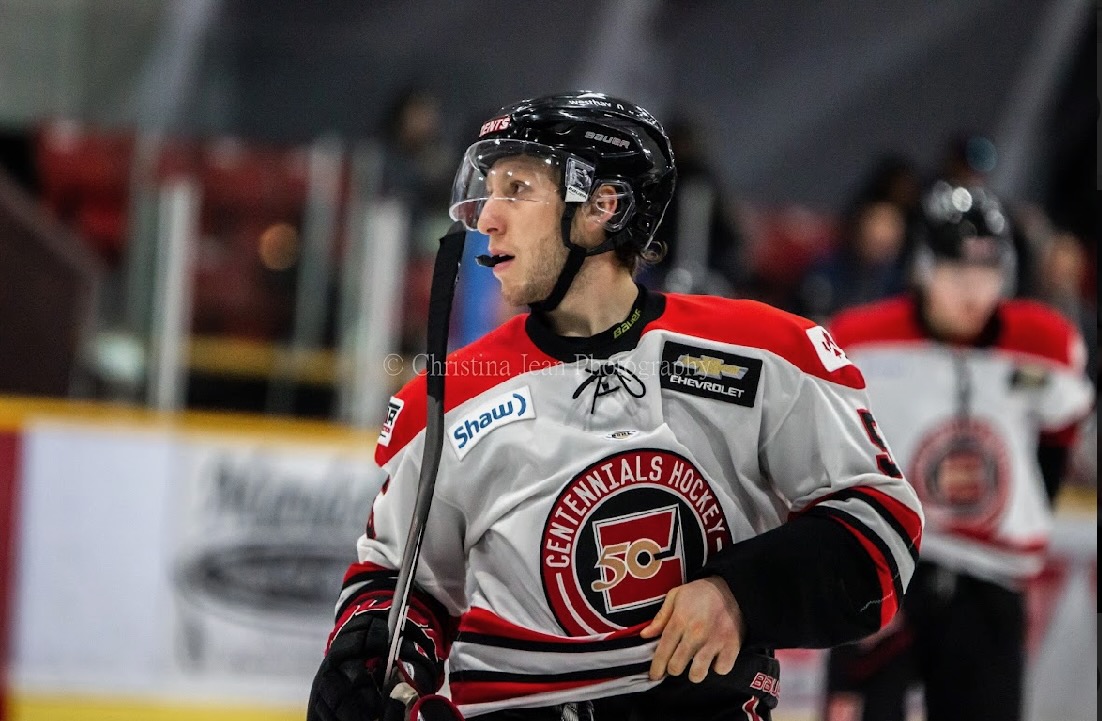
⬡ Hockey · Lebanon National Team Captain
UCLA — Electrical Engineering, B.S. '27
From Orange County, California, Michael is a UCLA Electrical Engineering student and biotech researcher with a passion for innovation in the medical field. His interest in sports medicine stems from his hockey experience working closely with athletic trainers, nutritionists, psychologists, and sports medicine doctors. Before UCLA, Michael took a gap year to play Canadian Junior A hockey in the BCHL, earning the Joe Tennant Most Dedicated Player Award and ranking among the top 10 rookie defensemen in scoring. He now serves as Captain of Lebanon's National Men's Ice Hockey Team and plays for UCLA's Ice Hockey Team. Michael co-founded Crusade to cultivate a community of undergraduate student-athletes passionate about innovating in sports medicine and educating athletes on taking their performance to the next level.
AB
Co-Founder
Anirvin Bommaraju
⬡ Soccer
UCLA — Neuroscience, B.S. / Film Minor '25
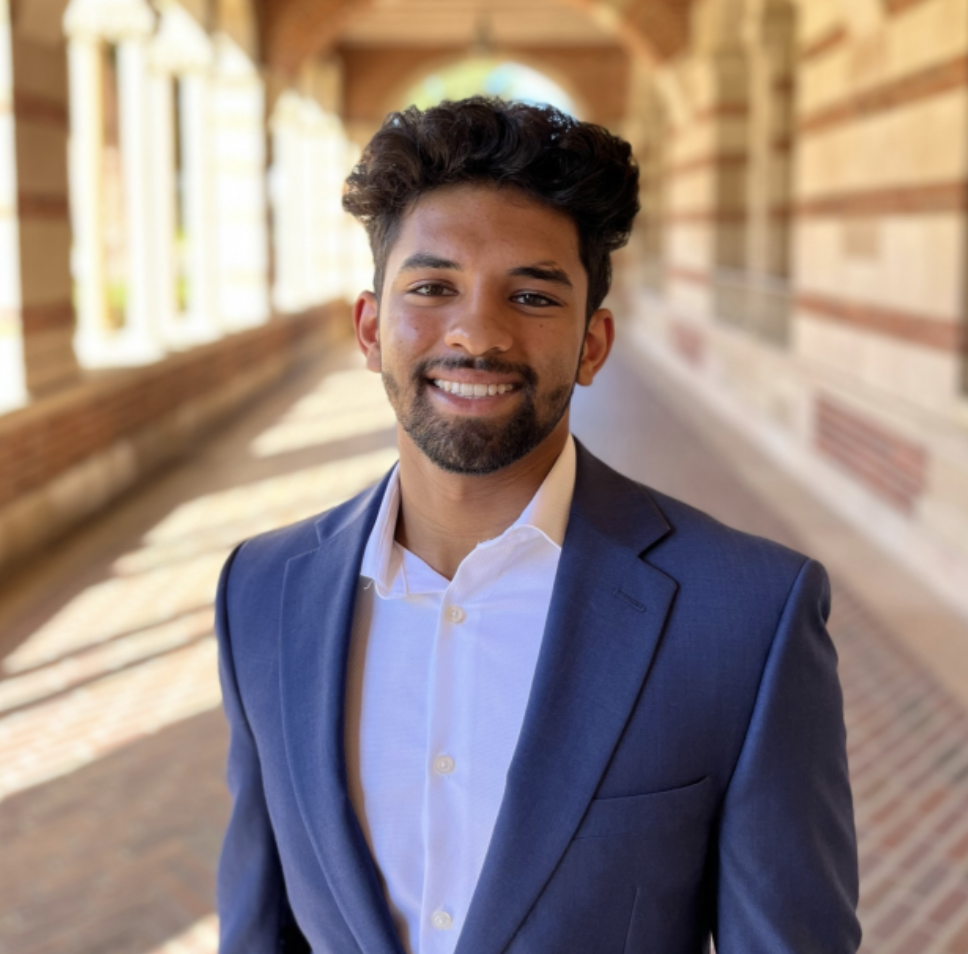
From Sacramento, California, Anir is a Senior in the Neuroscience program at UCLA. His early involvement in soccer intensified his dedication to the sport, though injuries prevented him from pursuing it at a higher level after high school — fueling his desire to support other aspiring student-athletes. During high school, Anir excelled academically as Valedictorian of his class, served as a researcher on ayurvedic practices, and assumed leadership as president of the Spanish Honors Society. Through these experiences, he gained valuable insights into injury prevention strategies and the lifestyle required for student-athletes to thrive. Anir co-founded Crusade to actualize his passion for supporting student-athletes on their journey to success.
AZB
Director of Education
Azaan Bilal
⬡ Basketball · Former EMT
UCLA — Human Biology & Societies, B.S. '26
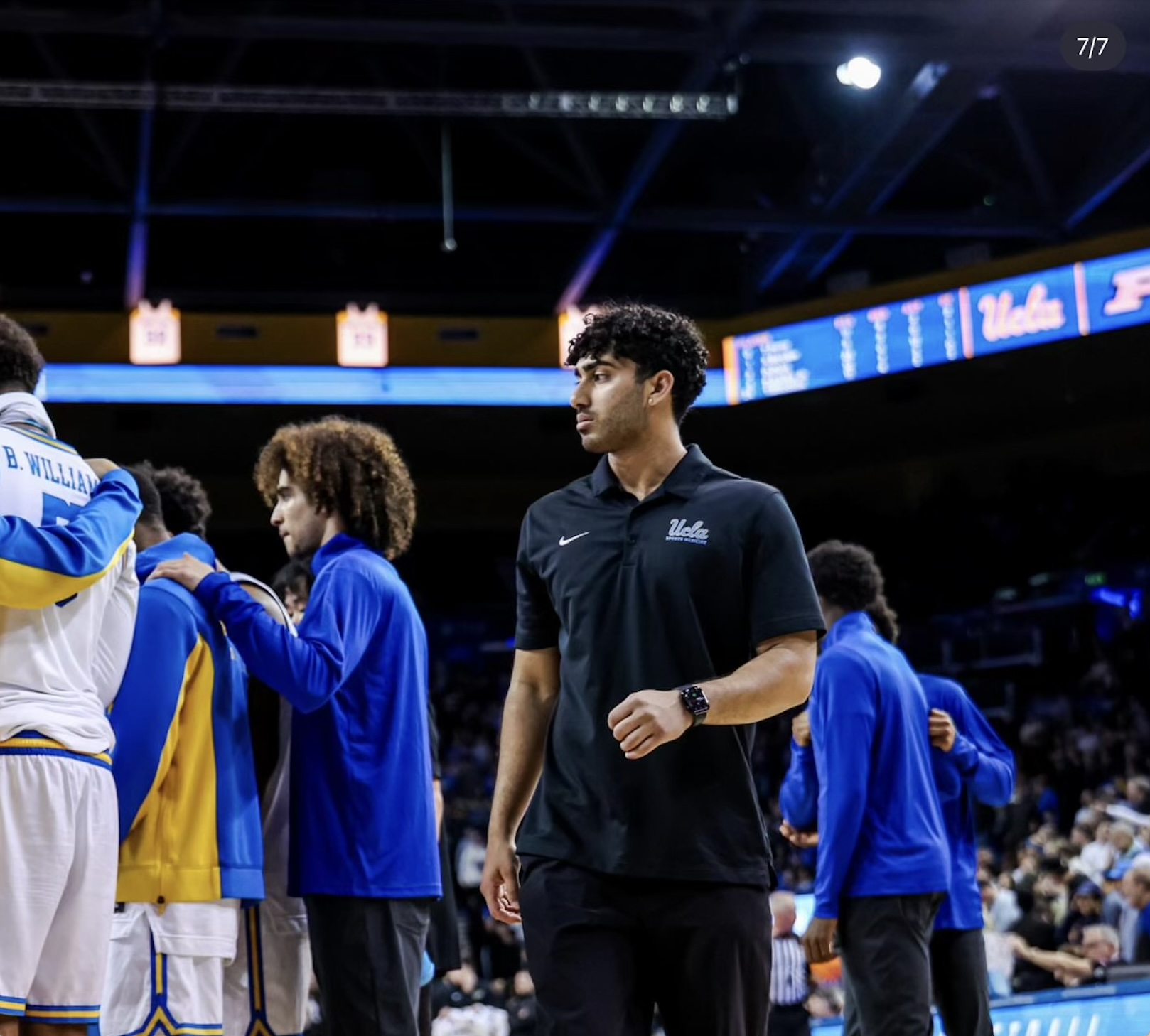
From Long Island, New York, Azaan is a UCLA Human Biology & Societies student with a passion for combining medicine and athletics. His interest in medicine stems from his extensive experience as an EMT during high school, where he honed critical thinking skills and learned life-saving interventions with the Dix Hills Fire Department. This foundation, coupled with his leadership as class president, fueled his drive toward a career merging medical expertise with athletic performance. As a Sports Medicine Intern at UCLA, Azaan works specifically with the Men's Basketball team, assisting in rehab and recovery efforts. Azaan's goal in Crusade is to inspire and educate student-athletes on optimizing performance while fostering a community passionate about innovation in sports medicine.
ZL
Director of Research
Zee Lake
⬡ Rowing
UCLA — Biology, B.S. '27
Zee leads Crusade's research initiatives, overseeing meta-analyses and clinical surveys that explore emerging trends in sports medicine, performance science, and recovery technology. As a competitive rower at UCLA, Zee brings firsthand understanding of the physical demands placed on endurance athletes and the critical role that evidence-based recovery protocols play in long-term athletic health.
SS
Director of Education
Saxton Sylvester
⬡ Rugby
UCLA — B.S. '27
Saxton develops and coordinates Crusade's educational programs, helping student-athletes understand performance science, recovery protocols, and injury prevention strategies. As a rugby player at UCLA, he brings a unique perspective on the demands of contact sports and the importance of smart training, injury resilience, and science-backed recovery.
ES
Director of Engineering
Eve Sprute
⬡ Engineering Division Lead
UCLA — Bioengineering, B.S. '27
Eve leads Crusade's engineering division, overseeing the design, assembly, and testing of cost-effective PCB-based wearable sensing technologies. As a Bioengineering student, Eve bridges the gap between hardware development and clinical research — ensuring the devices she builds produce data quality worthy of publication and practical enough for everyday athlete use.

Join the Crusade Family

We are always seeking new members and professionals passionate about sports medicine, engineering, research, and athlete performance. Welcome to the Crusade family.

Apply to Join Crusade →
Get In Touch

Contact Crusade

Questions, collaborations, partnerships, or just want to connect? We'd love to hear from you.

Reach Out

🎓
Institution
University of California, Los Angeles (UCLA)
🏥
Organization Type
Nonprofit Sports Medicine Organization

Send Us a Message

Subscribe to the Crusade Newsletter

Stay up to date with our latest research, performance insights, and team news.

Admin Login

Crusade Sports Medicine · Owner Access

Edit Mode
All changes saved

Edit Content

Article Editor

Article Info

Abstract

Click to edit article body below.